
PAJERO
HISTORY

The PAJERO, beloved by generations of
drivers worldwide, made its debut in 1982.

It symbolized more than just a 4WD
cross-country SUV for MITSUBISHI
MOTORS;
it represented a daring vision
rooted in our core values of continuous
challenge
and innovation. Driven by the
belief that drivers should be able to
embark on
adventures to their
destinations — no matter how extreme —
the PAJERO became
the benchmark of
off-road capabilities combined with
refined driving comfort.

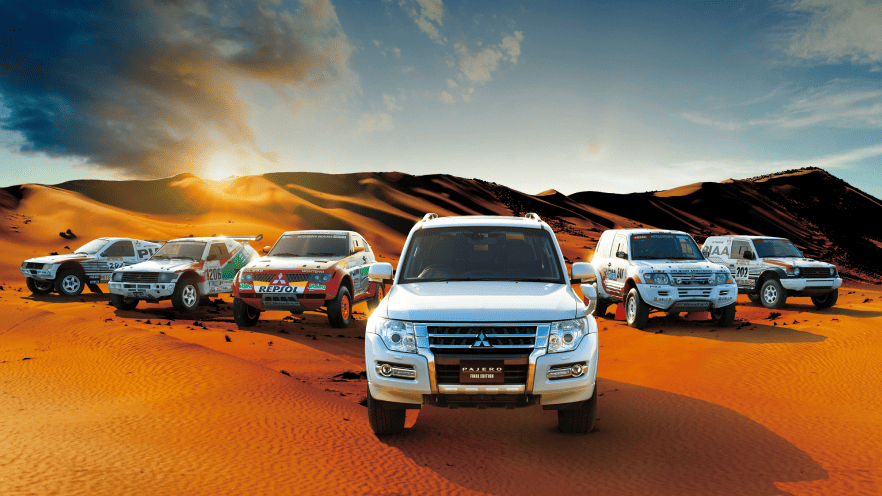
These capabilities were honed in the
unforgiving Dakar Rally and delivered
absolute
confidence to drivers
everywhere.

  • 1982

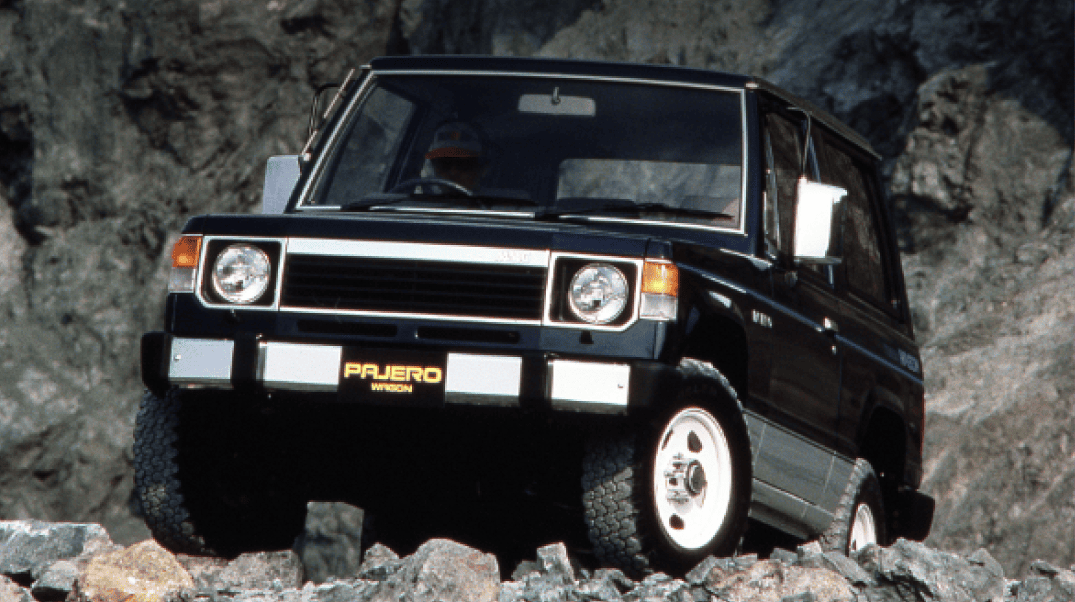
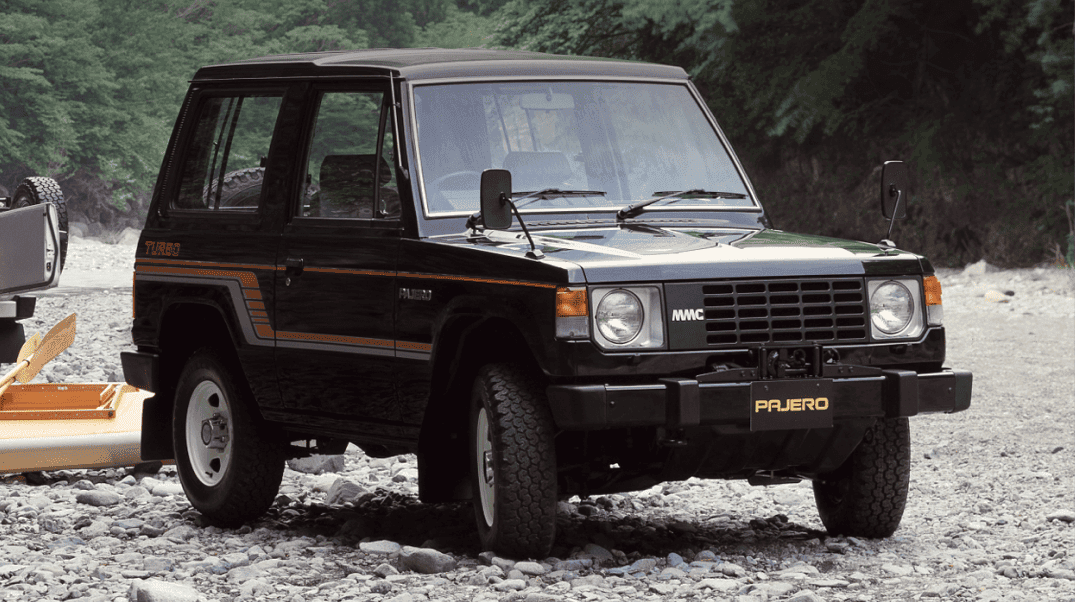
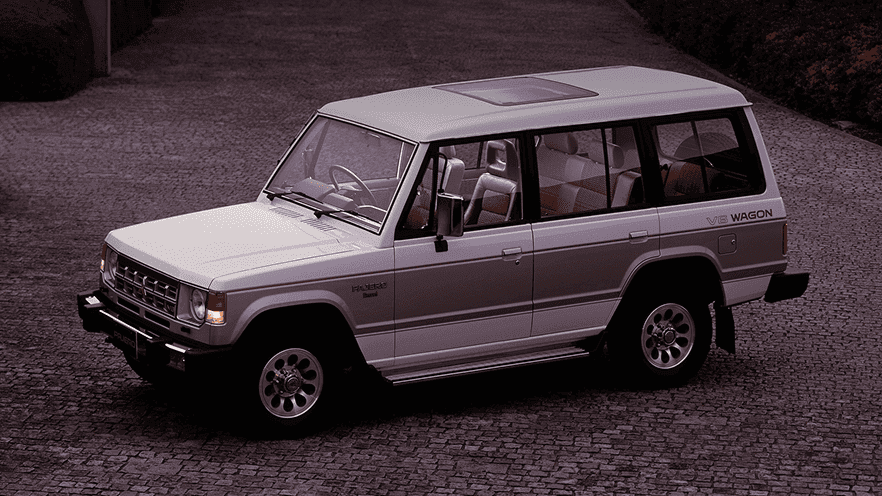
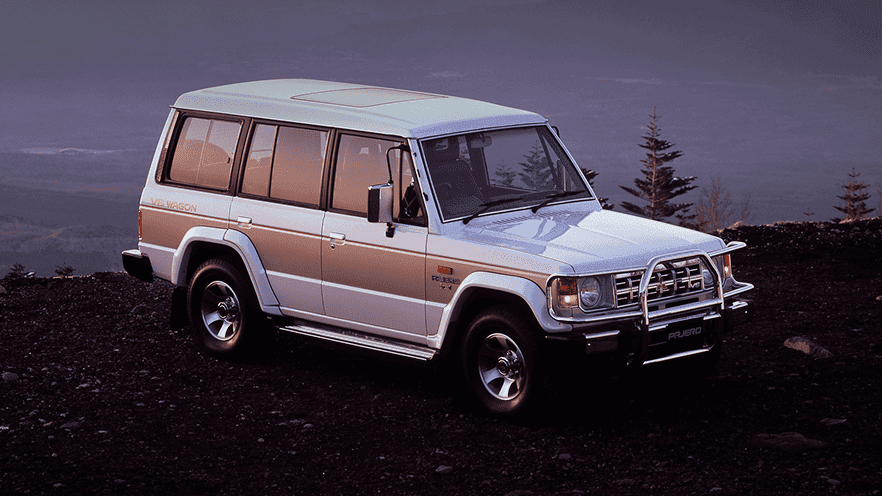
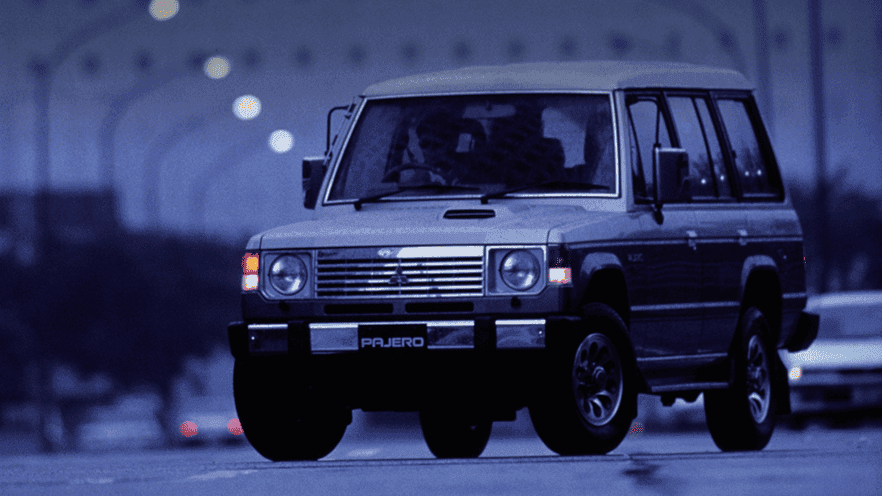
    • Generation 1 PAJERO
    • Generation 1 PAJERO
    • Generation 1 PAJERO

    1st Generation
    PAJERO

    A new genre is born — where true off-road capability meets everyday comfort.
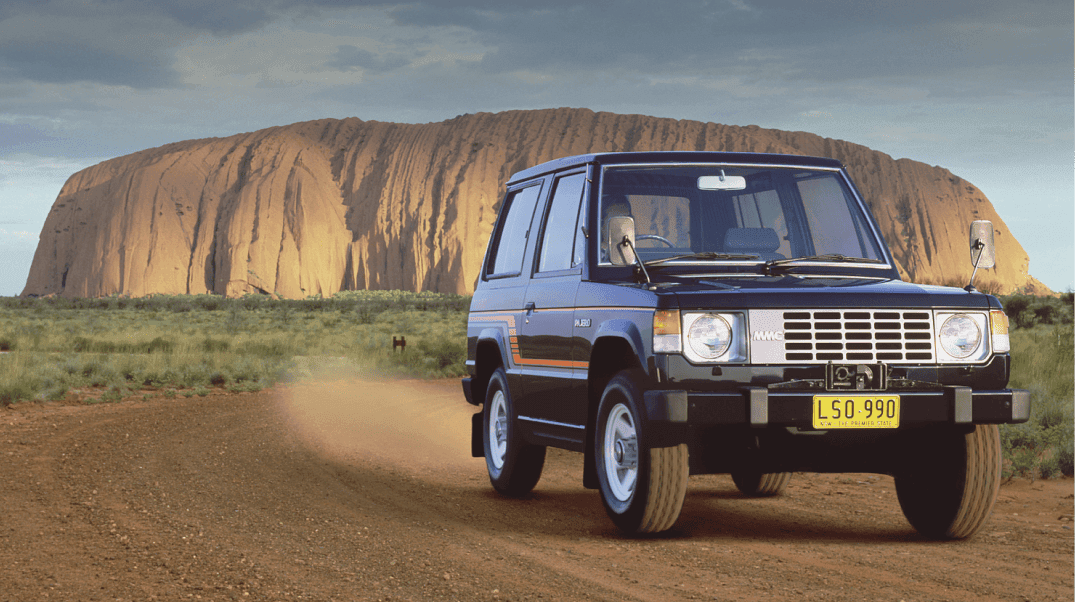
    Introduced in May 1982, the PAJERO merged the robust off-road capabilities honed through Jeep’s history with enhanced stability and comfort for daily use. This fusion redefined 4WD as a lifestyle vehicle which also played a significant role in sparking a new auto-camping trend throughout Japan.

    more details coming
  • 1983

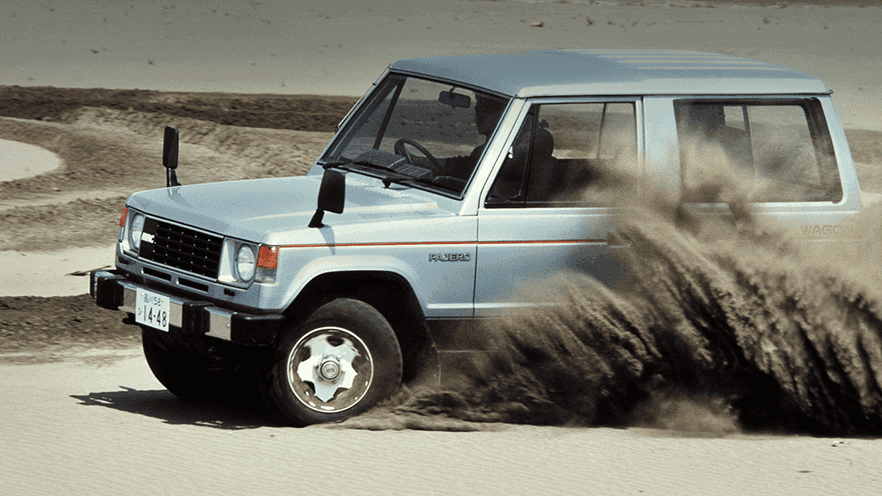
    • Wagon/Long-Body Models

    Wagon/Long-Body Models

    In March 1983, the PAJERO expanded its lineup with a compact model, followed by a long-wheelbase version in July of the same year, and an automatic transmission model in 1985. These advancements marked the beginning of a new era for the iconic PAJERO.

  • 1985

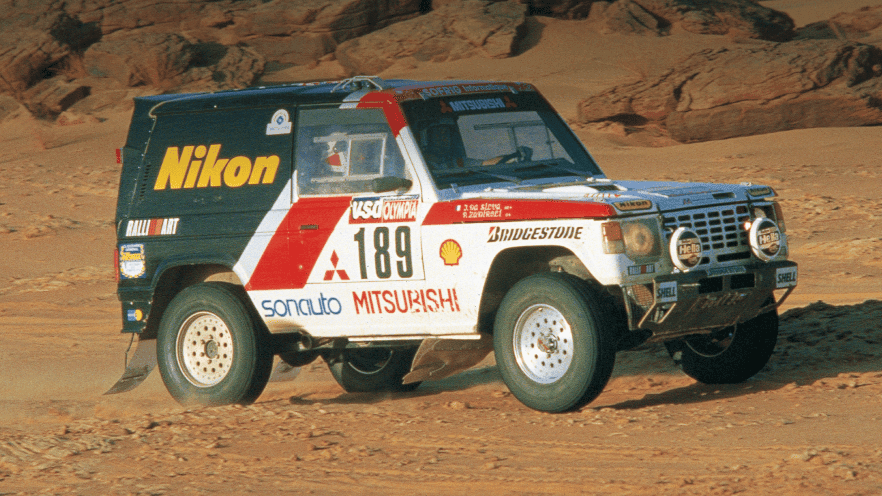
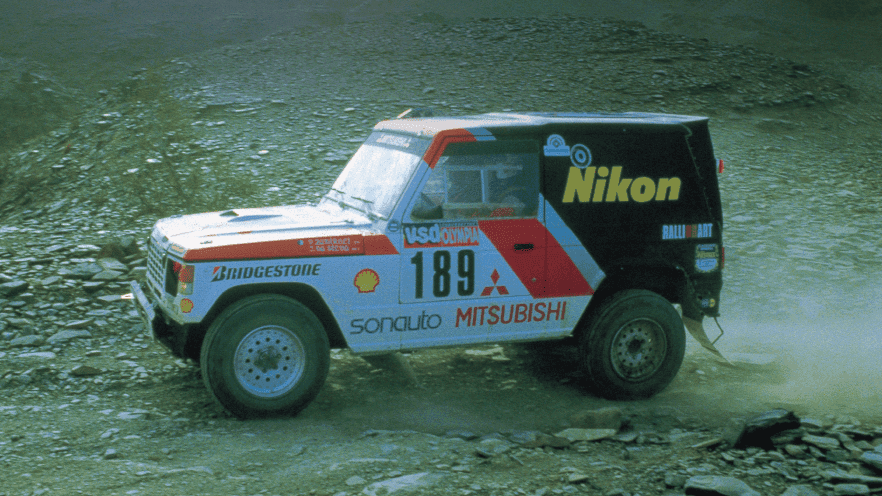
    • Overall Victory at the Paris-Dakar Rally
    • Overall Victory at the Paris-Dakar Rally
    • Overall Victory at the Paris-Dakar Rally

    Overall Victory
    at the Paris-Dakar Rally

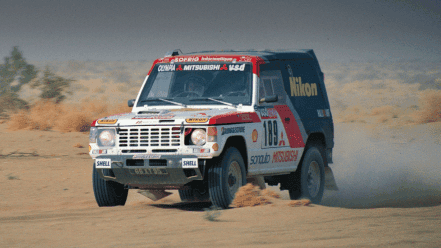
    The PAJERO achieved its first overall victory at the Paris–Dakar Rally — marking a defining moment in its history.

  • 1987

    • Introduction of the premium Exceed trim
    • Introduction of the premium Exceed trim
    • Introduction of the premium Exceed trim

    Introduction of the premium
    “Exceed” trim

    The premium “Exceed” trim was launched, offering a luxurious interior and leather seats. By providing comfort similar to that of a passenger car, the PAJERO attracted a wider audience, eventually becoming a successful model with total sales of around 630,000 units for its first generation.

  • 1991

    • 2nd Generation PAJERO
    • 2nd Generation PAJERO
    • 2nd Generation PAJERO

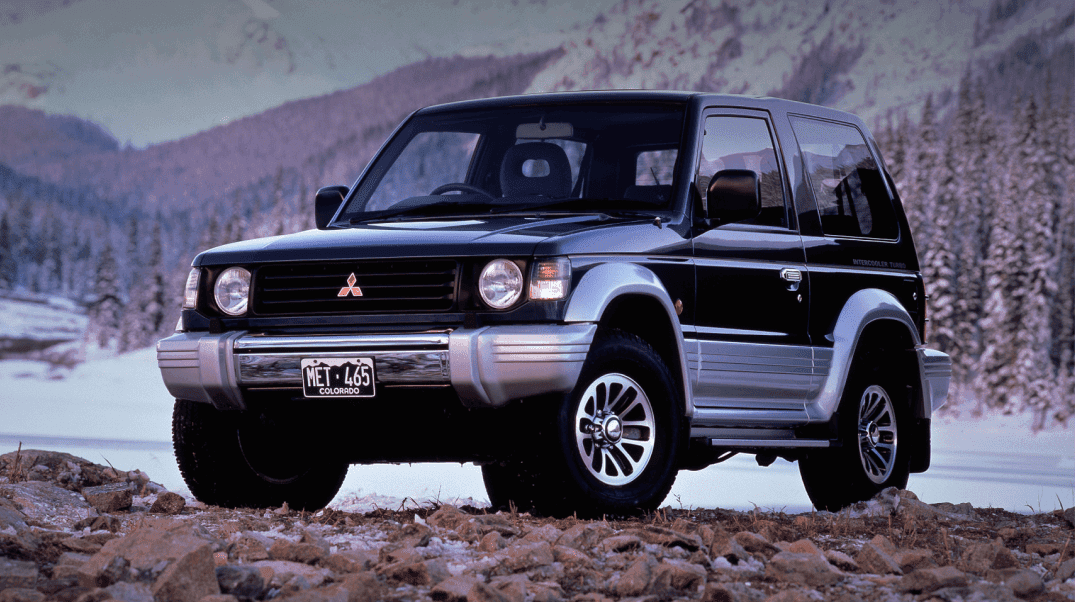
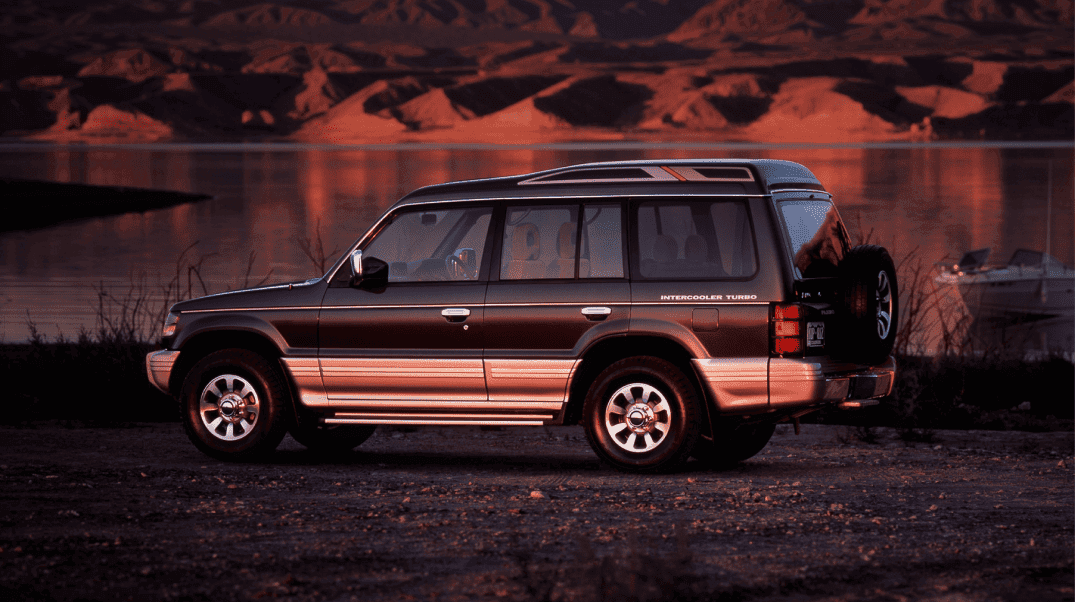
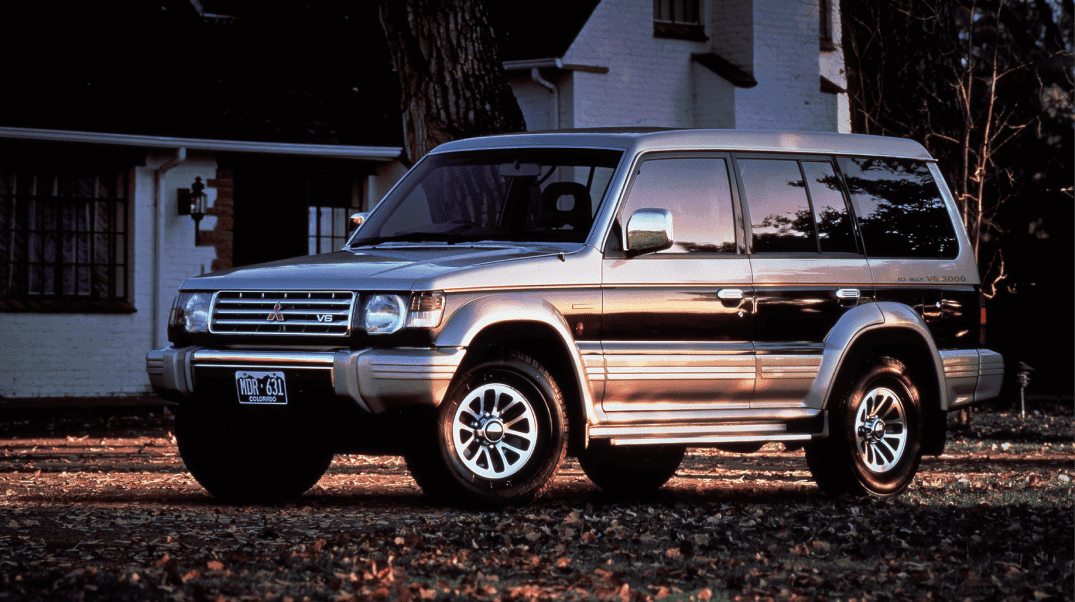
    2nd Generation
    PAJERO

    While the RV(Recreational Vehicle, now widely known as an SUV) segment was booming, the second generation became a symbol — bringing advanced technology to the mainstream.
    Launched in January 1991, the second generation PAJERO enhanced interior space and comfort by introducing a three-row seating model. It pioneered the Super Select 4WD , which merged the benefits of full-time and part-time systems, enabling seamless shifting while driving and making true 4WD performance more accessible. In the 90s there was a huge skiing boom in Japan, and the second generation PAJERO became a cultural phenomenon, dominating resort parking lots and establishing itself as a status symbol for a new generation. Additionally, it introduced the world’s first GDI engine as a mass production model, setting new standards in environmental performance.

    more details coming
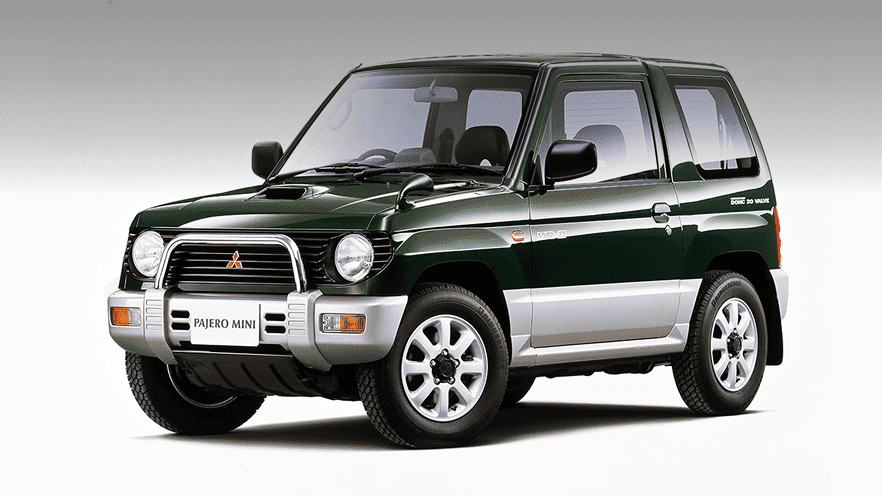
  • 1994

    • The PAJERO MINI Arrives

    The PAJERO MINI Arrives

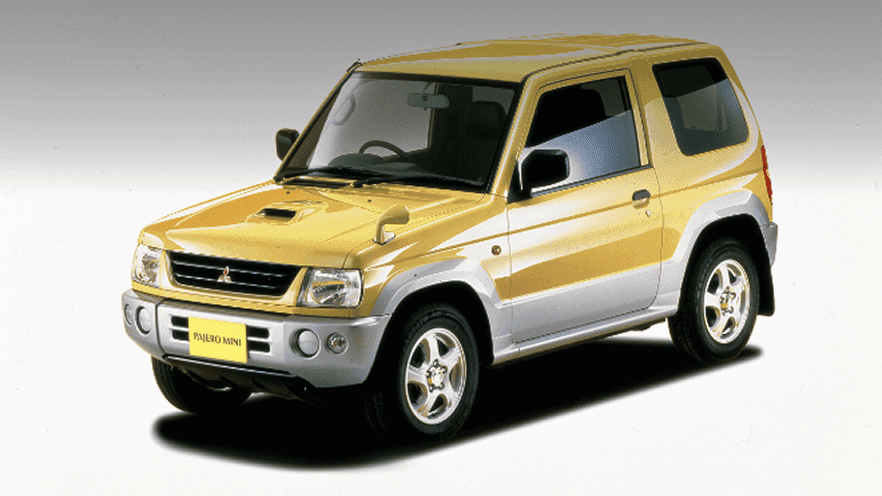
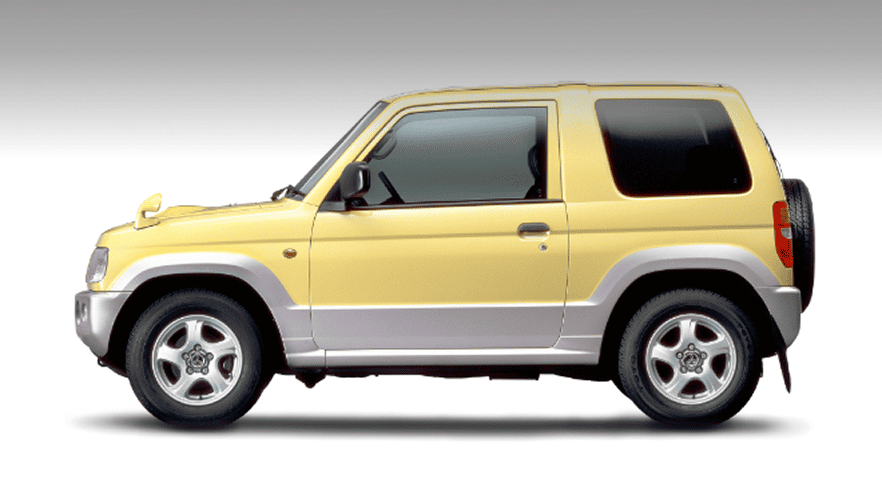
    Introduced in 1994, this innovative PAJERO MINI SUV merged the capabilities of the PAJERO with the convenience of a “Kei” car. It featured a high-rigidity body, a groundbreaking 20-valve intercooler turbo engine, and Easy Select 4WD, ensuring both remarkable stability and a smooth ride. Meticulously designed with attention to every detail, it was a compact yet fully competent representation of a SUV performance.

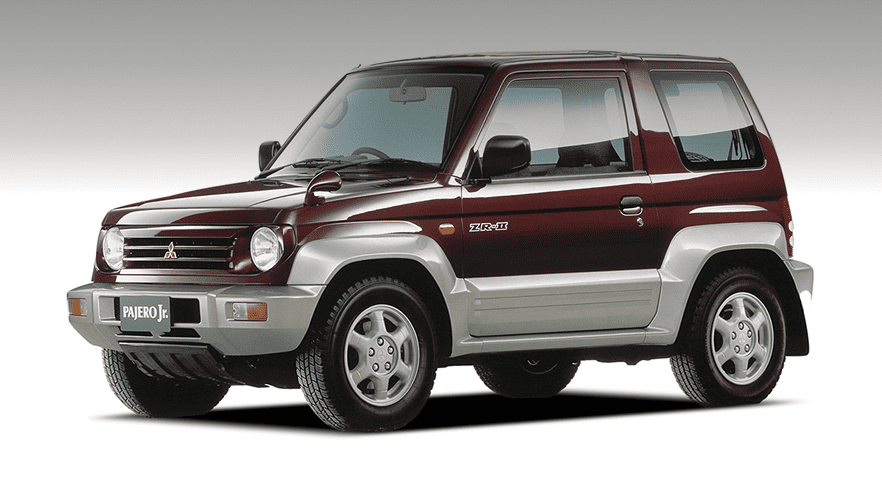
  • 1995

    • The PAJERO JUNIOR Arrives

    The PAJERO JUNIOR Arrives

    The PAJERO JUNIOR was built in 1995 for drivers who felt the PAJERO was too big and the MINI was too small. It boasted a 1.1L engine, wider fenders, and a unique 4WD system, providing agile performance. Emphasizing safety, comfort and driver-friendliness, it delivered a well-rounded SUV experience for daily use.

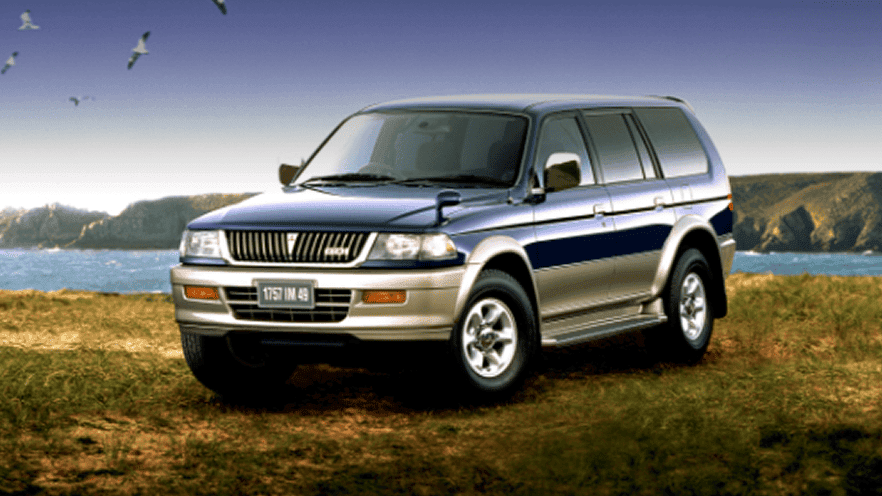
  • 1996

    • The CHALLENGER (MONTERO SPORT) Debuts
    • The CHALLENGER (MONTERO SPORT) Debuts

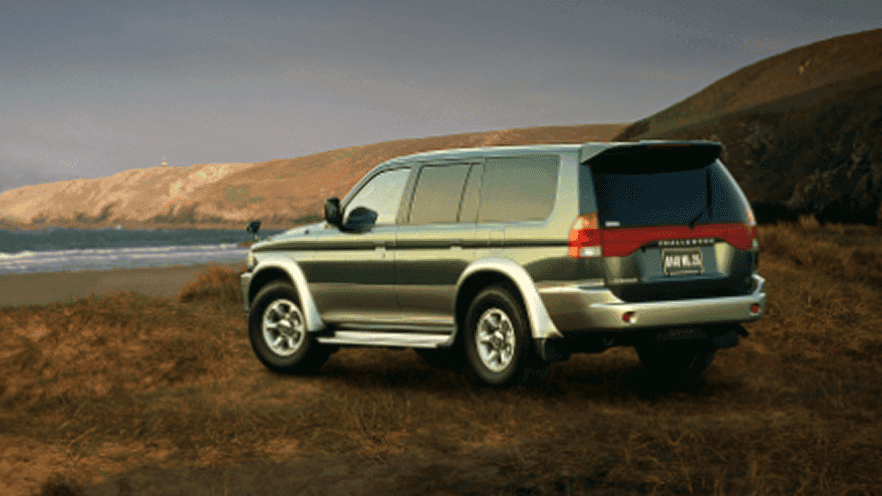
    The CHALLENGER
    (MONTERO SPORT) Debuts

    Introduced as the “MONTERO SPORT” in North America, this vehicle was built on the chassis of the second generation PAJERO. It showcased a design tailored for urban environments, characterized by a lower stance. Notably, it was one of the few SUVs at the time that did not have a spare tire mounted on the tailgate, emphasizing its unique identity.

  • 1997

    • The PAJERO EVOLUTION Debuts
    • The PAJERO EVOLUTION Debuts

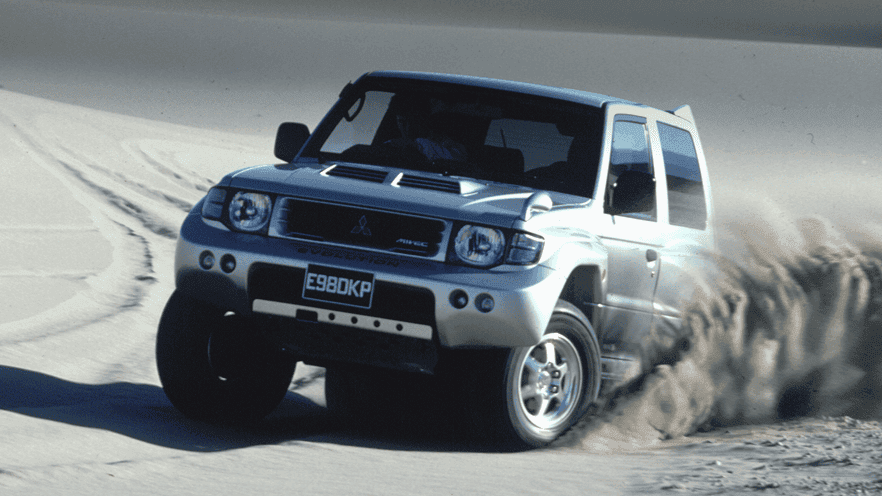
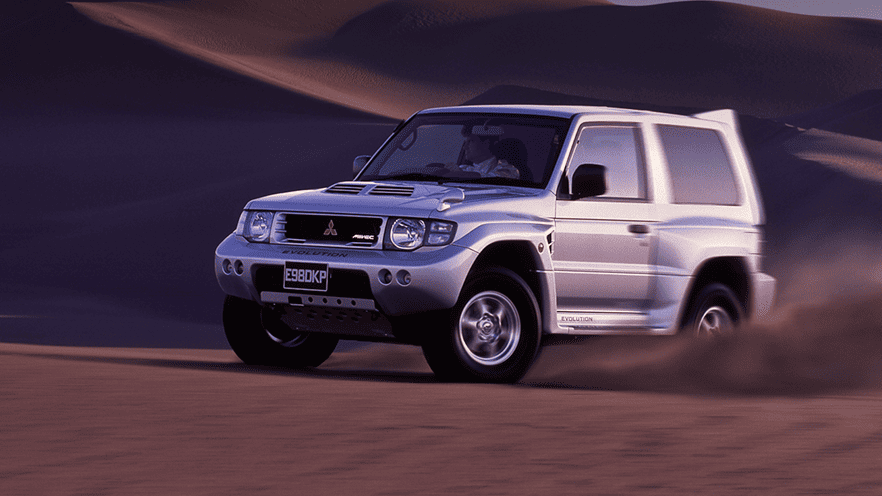
    The PAJERO EVOLUTION Debuts

    With a dedicated 3.5 liter engine and an aluminum hood, it pushed weight reduction and performance to the extreme. A product of pure passion—where ideals outweighed cost.

  • 1998

    • The PAJERO iO Debuts

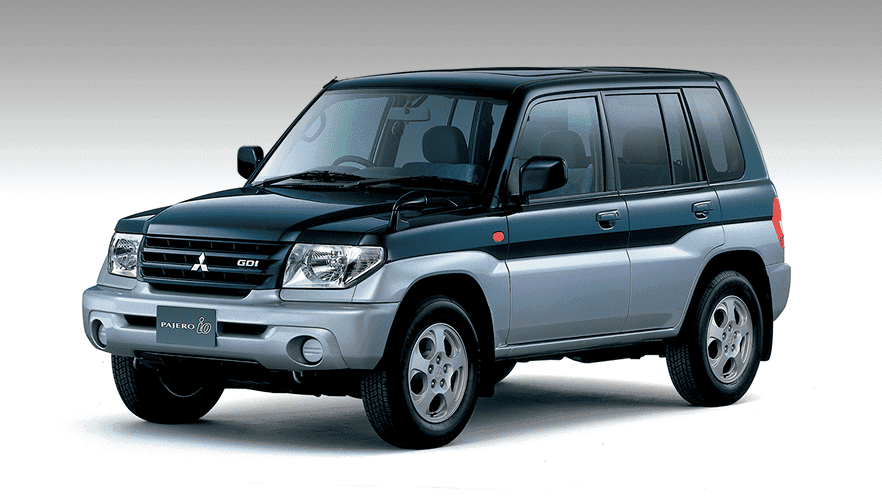
    The PAJERO iO Debuts

    Launched in 1998 as the successor to the PAJERO JUNIOR, the “PAJERO iO” series featured a distinctive body design. It combined a well-proportioned size with a 1.8L GDI engine and Super Select 4WD-i, providing exceptional off-road performance. Collaboratively designed with Pininfarina, it also showcased a refined and elegant appearance.

  • 1998

    • The 2nd Generation PAJERO MINI Arrives
    • The 2nd Generation PAJERO MINI Arrives

    The 2nd Generation PAJERO MINI Arrives

    In 1998, the second generation PAJERO MINI was updated to comply with new “Kei” vehicle regulations. It featured the RISE safety body and a longer wheelbase, enhancing safety and comfort. The vehicle was also equipped with a fuel-efficient engine and Easy Select 4WD, marking an evolution that combined improved features with strong performance.

  • 1999

    • 3rd Generation PAJERO
    • 3rd Generation PAJERO
    • 3rd Generation PAJERO

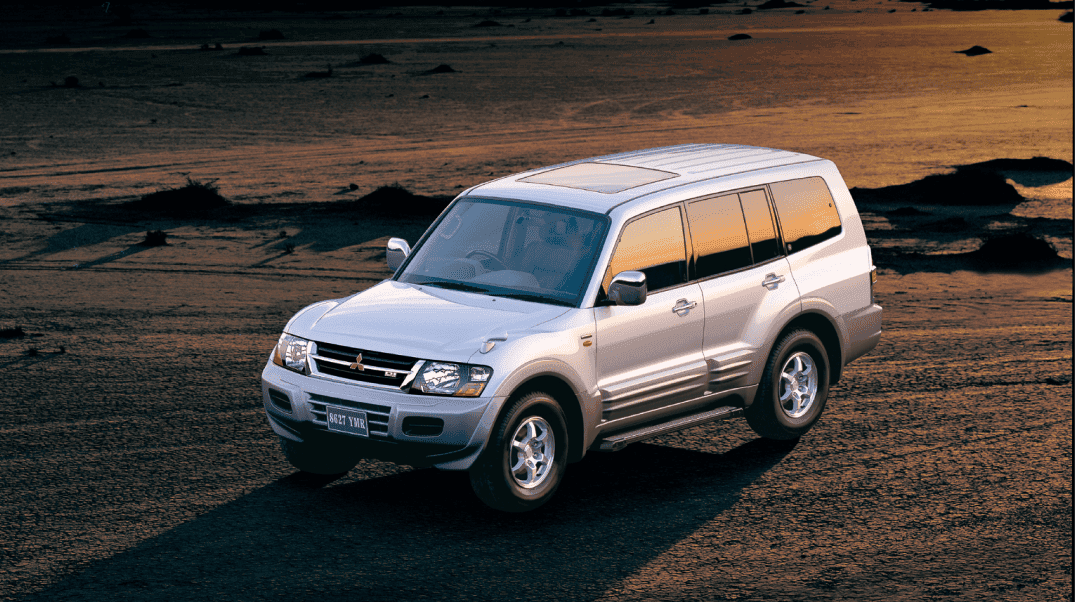
    3rd Generation
    PAJERO

    A revolutionary transformation — setting a new global standard.
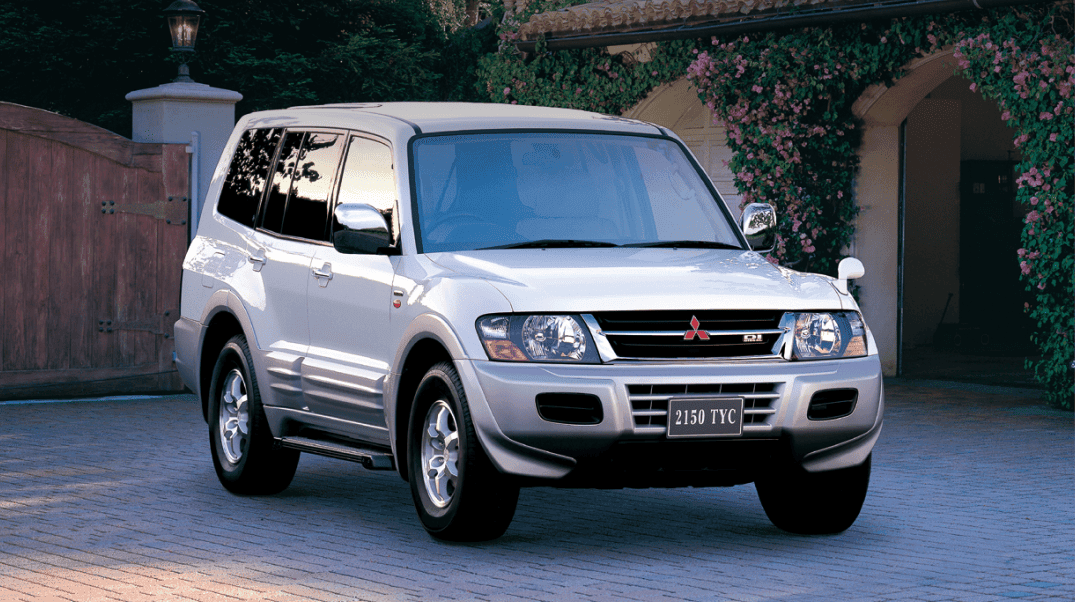
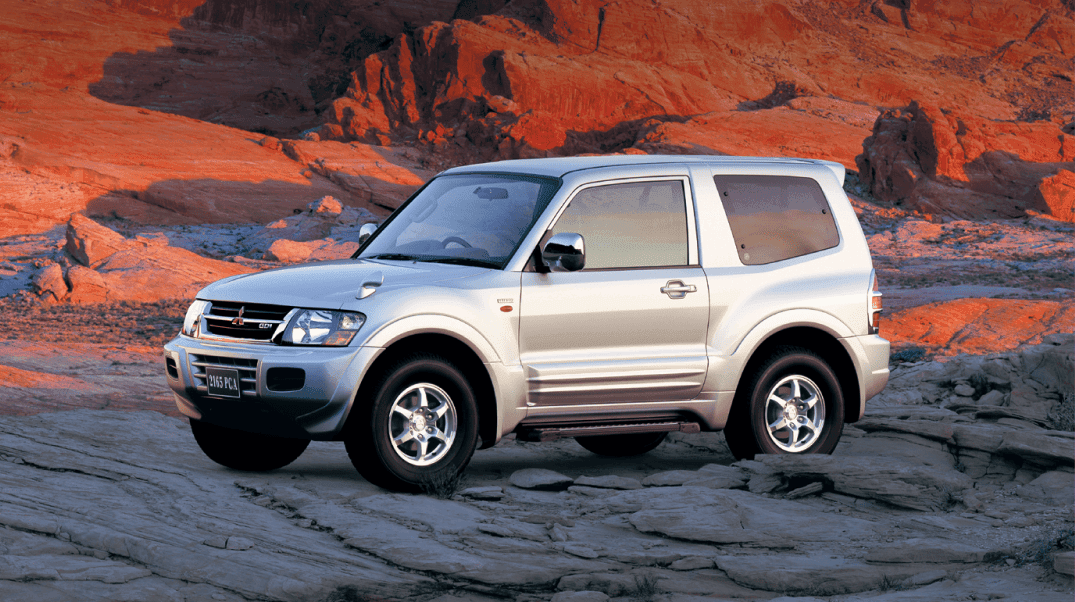
    Introduced in October 1999, the PAJERO featured the Monocoque Body with Built-in Ladder Frame. Enhancing stability and on-road performance it challenged the notion that off-road vehicles sacrifice everyday drivability. It provided highway comfort and rugged terrain confidence, becoming a reliable companion for lifestyles and adventures globally.

    more details coming
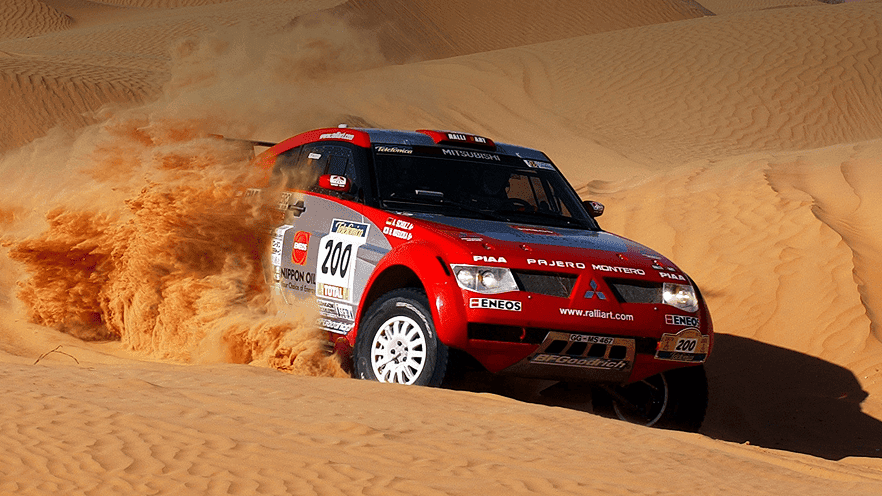
  • 2003

    • PAJERO becomes overall champion at the Dakar Rally, two-time Dakar Rally champion

    PAJERO becomes overall champion at the Dakar Rally, two-time Dakar Rally champion

    The PAJERO claimed overall victory at the Dakar Rally, with Hiroshi Masuoka securing back-to-back wins.

  • 2006

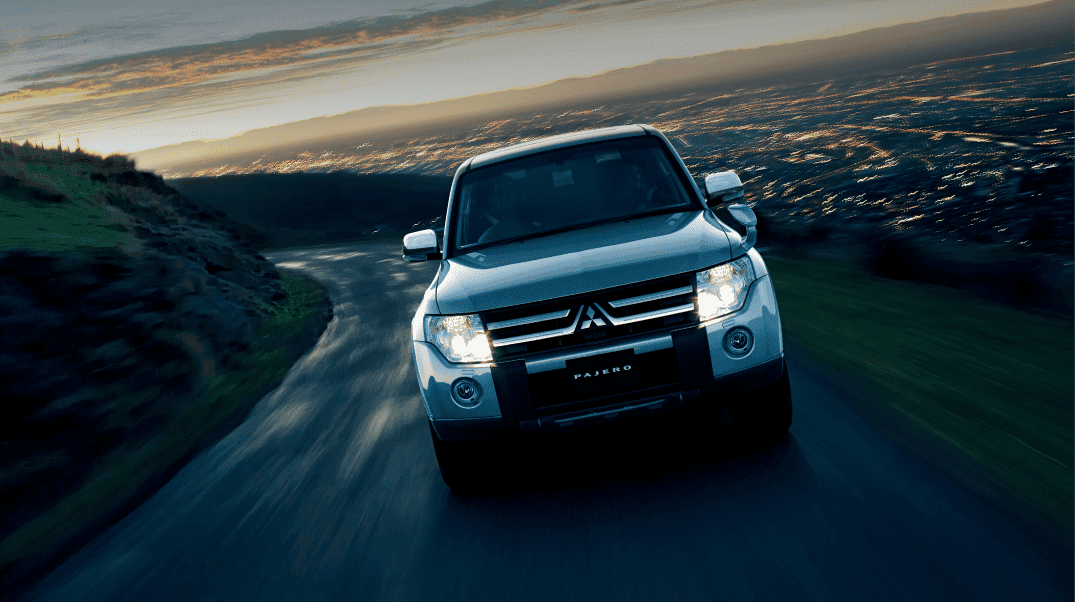
    • 4th Generation PAJERO
    • 4th Generation PAJERO
    • 4代目パジェロ登場

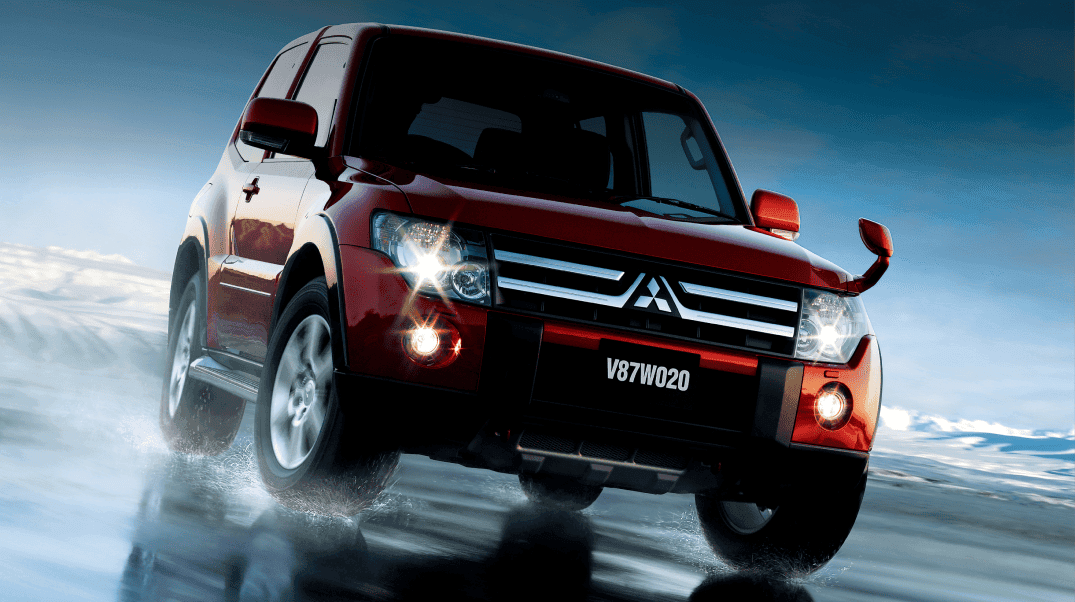
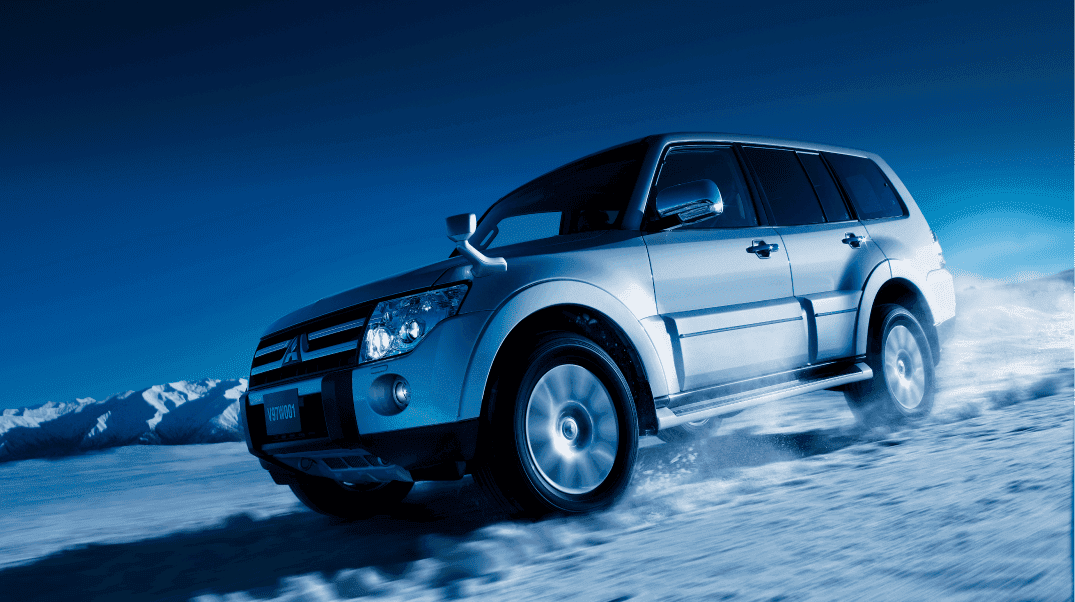
    4th Generation
    PAJERO

    The master of absolute confidence — trusted in the world’s most challenging environments.
    Introduced in October 2006, the PAJERO combined Dakar-tested off-road prowess with improved safety and comfort, reaching a new standard of all-around performance. Equipped with technologies like ASTC (Active Stability and Traction Control), it provided the ultimate sense of confidence — “always returning home safely. ”It also continued to enhance its premium nature, raising the bar in design quality, driving experience and overall sophistication.

    more details coming
  • 2010

    • Introduction of the Clean Diesel Turbo
    • Introduction of the Clean Diesel Turbo

    Introduction of
    the Clean Diesel Turbo

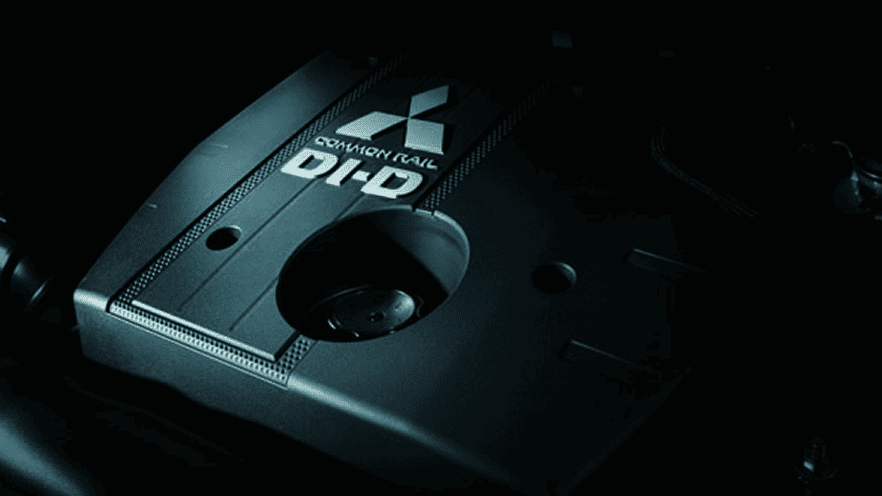
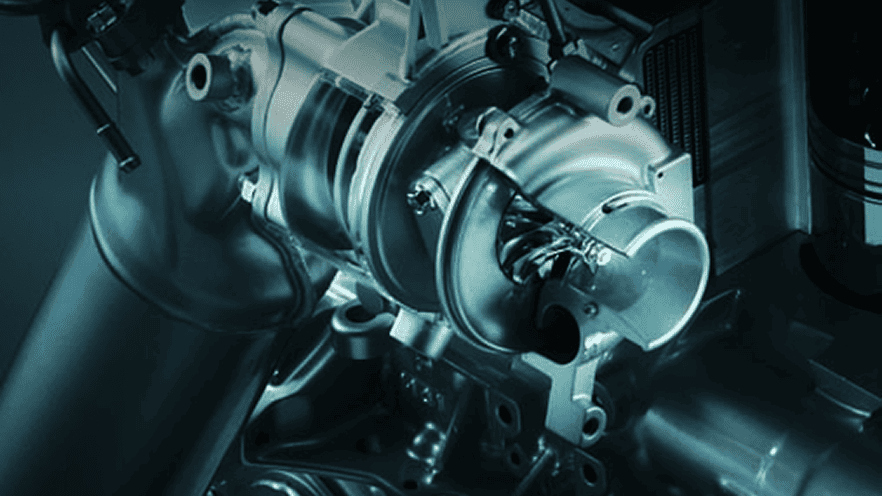
    In 2010 a 3.2L inline four-cylinder clean diesel turbo engine was included in the line up that met post–long-term emissions regulations, fulfulling the increasing demand for environmental performance.

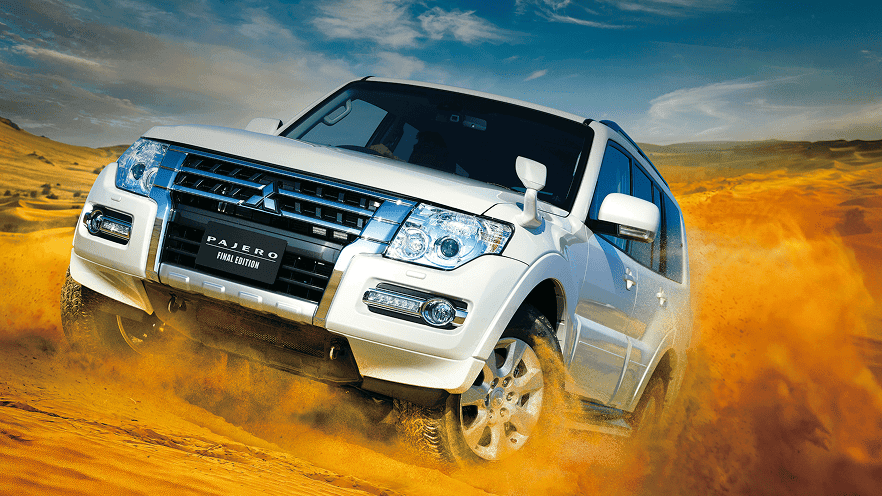
  • 2019

    • End of Global Production
    • End of Global Production
    • End of Global Production

    End of Global Production

    Global production concluded in 2021 marking the end of its remarkable 39-year history since its launch in 1982.The PAJERO sold around 3 million units over more than 170 countries and regions.

The PAJERO is ready to write its next chapter.

Certain details in this timeline are derived from
information available in the Japanese market
and may differ depending on the region.

Back to top